

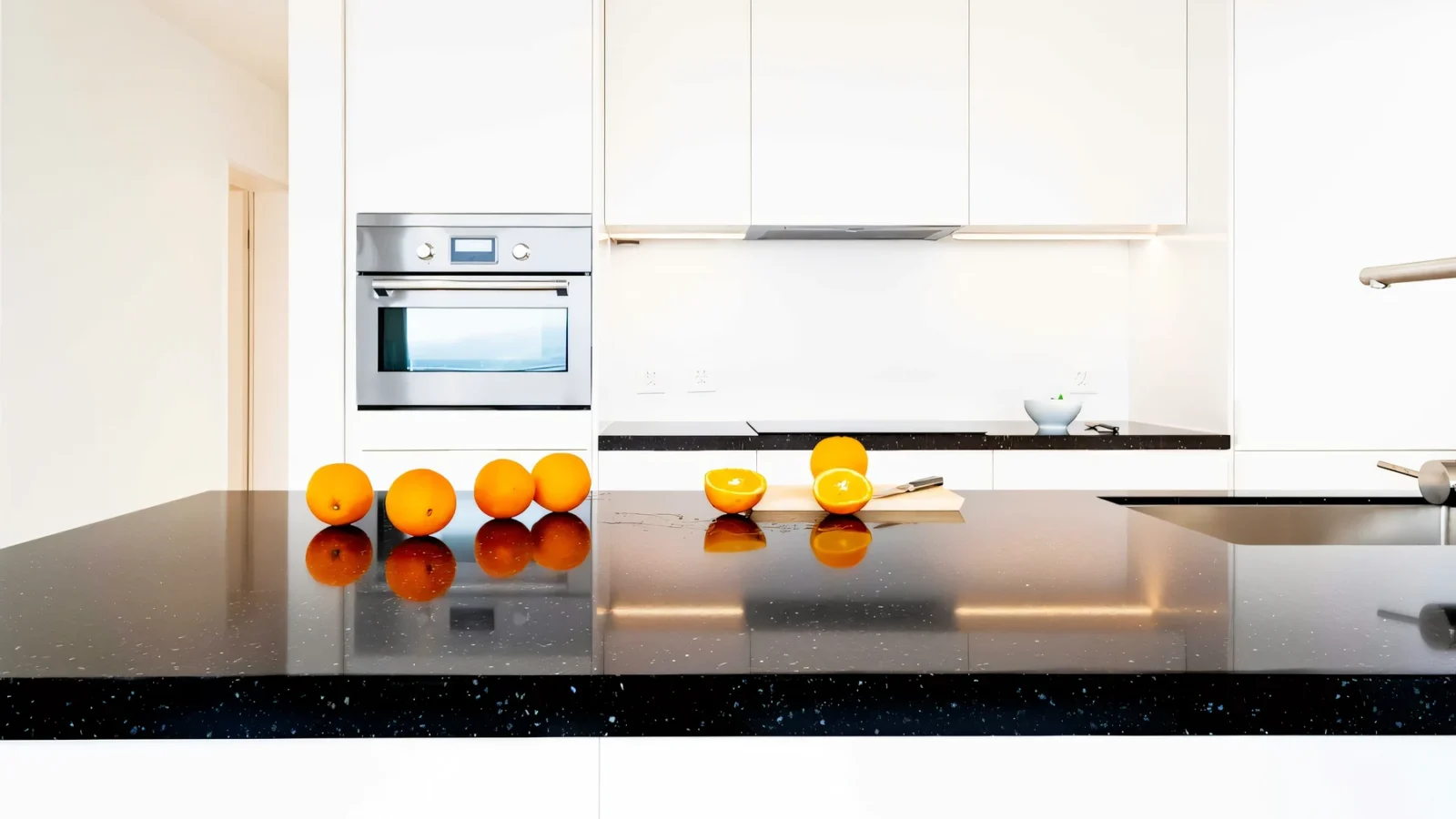
A kitchen countertop is the only surface in your home that takes a beating while everyone watches. You will slam pots onto it, spill wine across it, leave a hot roasting tray in the wrong spot at least once, and still expect it to look respectable when buyers walk through. The fabricators at Stone Africa in Randburg and the installers working Caesarstone out of Cape Town will all tell you the same thing: every material in their yard carries a defect you will have to live with. The question is not which countertop is best, but which particular failure mode matches your actual life.
Engineered Quartz and the Resin Problem Nobody Talks About
Caesarstone 5100 Vanilla Noir and the Technistone ranges move fast through Johannesburg fabricators for good reason. The slabs arrive consistent in colour and pattern, cut cleanly on CNC machines, and need no sealing. Daily maintenance requires only a damp cloth and mild detergent. This is the practical choice for a homeowner running a busy household who cannot babysit stone.
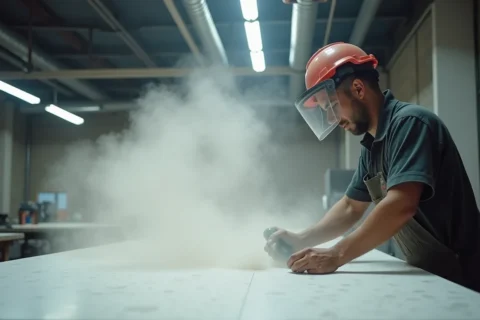
The flaw is baked into the chemistry. Engineered quartz binds crushed stone with polymer resin, typically around 7% by volume. That resin yellows under sustained UV exposure. A north-facing Pretoria kitchen with unshaded windows will show damage within three to five years. The material also hates sudden heat. A cast-iron pot straight from the oven can cause thermal shock cracking or leave a discoloured ring. Wet cutting during fabrication releases respirable crystalline silica, which is why SABS 0254 exists and reputable shops run water suppression on every blade.
Pricing runs R2,500 to R6,000 per linear metre supplied and installed, depending on edge complexity and whether you are sourcing through Italtile or a direct fabricator. The foreman’s call: specify Caesarstone for shaded interiors with moderate cooking intensity, and always use a trivet.
Natural Granite Is Beautiful and Hungry for Sealer
Black Galaxy from India, Rustenburg grey from local quarries, Baltic Brown from Finland. Each slab is unique, and that variation is exactly why designers specify it. Granite takes heat without flinching. You can set a braai grid down hot and walk away.
The trade is porosity. Without a penetrating sealer like FilaStone Plus applied annually or bi-annually, red wine, lemon juice, and cooking oil migrate into the grain. Some stones are tighter than others. Absolute Black is nearly non-porous; Kashmir White will stain if you look at it sideways. Fabrication uses the same diamond tooling as quartz but demands more skill in templating because no two slabs match. A good stone mason in Durban or Cape Town will lay out your template to book-match veining; a cheap one will waste your money on ugly seams.
Cost spans R1,800 to R5,000 per linear metre, with local material at the lower end and imported exotic colours pushing the top. The foreman’s call: granite rewards owners who cook hard and seal on schedule. Skip the maintenance, and you have bought an expensive headache.
Porcelain and Sintered Surfaces Are Overbuilt and Underforgiving
Dekton, Neolith, and the newer Lapitec ranges represent the extreme end of countertop engineering. These are sintered at temperatures above 1,200°C, producing a surface that shrugs off UV, heat, scratches, and stains simultaneously. You could install Dekton Trilium on an outdoor kitchen in Umhlanga and leave it for a decade.
The catch is fabrication. The material is so hard and so brittle that standard stone shops cannot process it. You need brand-certified fabricators with specialised diamond tooling, slower feed rates, and particular adhesives. Edge profiles are limited. A 12mm slab wants a mitred edge build-up to look substantial, and that joint is a potential failure point under impact. Chipping on a porcelain edge is not repairable like a granite chip; you are replacing the run.
Pricing starts around R4,500 per linear metre and climbs past R10,000 for complex installations. Certified fabricators cluster in Johannesburg, Cape Town, and Durban; outside those metros, you may be paying transport on top. The foreman’s call: specify porcelain for sun-drenched spaces, outdoor kitchens, or clients who will never tolerate a stain. Do not specify it where heavy impacts are likely or where local fabricators lack certification.
Laminate Is the Honest Budget Option
Kronospan, Formica, and the local PG Bison ranges keep rental kitchens and entry-level renovations functional. The surface is stain-resistant, the colour range is vast, and any competent carpenter with a router and edge-bander can install it. At R600 to R1,500 per linear metre, the price advantage is real.
The failure modes are equally real. Heat melts the surface. Water at seams or cutouts swells the MDF substrate. SABS 1186 governs the panel construction, but it does not stop a leaking sink from turning your countertop into a mushroom farm. Edge profiles are limited to post-formed rolls or simple square edges with applied banding. You will not get an ogee or a waterfall edge.
The foreman’s call: laminate belongs in light-use kitchens, rental properties, and anywhere the budget absolutely caps out below stone. Specify moisture-resistant MDF substrate, seal every cutout obsessively, and never let a tenant near it with a hot tray.
What to Specify and Why
Cooking habits drive material choice more than showroom aesthetics. A home cook who produces three meals daily from scratch, sets hot pans down without thinking, and treats the kitchen like a workshop needs granite or porcelain. A household that orders in four nights a week and wants the space to photograph well for resale can live happily with Caesarstone in a shaded room.
Budget creates hard boundaries. At under R1,500 per linear metre installed, laminate is the only game. Between R2,500 and R5,000, you are choosing between local granite and entry-level engineered quartz. Above R4,500, porcelain becomes available but demands fabricator verification.
Sunlight exposure eliminates options. Unshaded north-facing windows in the Highveld will destroy quartz resin and fade laminate. Granite and porcelain survive. In a Cape Town Victorian with deep verandah shade, quartz yellowing is a non-issue.
Edge design preferences matter more than buyers expect. A waterfall island demands material thickness and workability that porcelain struggles to deliver. An intricate ogee edge on a traditional kitchen wants the carving tolerance of granite or quartz.
Repairability and fabricator availability close the loop. Granite chips can be filled and polished by any stone mason. Quartz cracks can sometimes be repaired. Porcelain damage is typically replacement. Laminate damage is replacement. In smaller centres like Polokwane or East London, verify that your chosen fabricator has actually worked the material before, not just claims they can.
What to Write on the Order
For Caesarstone or Technistone: specify product number, edge profile, and confirm wet-cutting protocol with silica suppression. Note window orientation and UV exposure on the site file.
For granite: specify stone name and origin, sealer brand and application schedule in the contract, and demand layout approval before cutting.
For porcelain or sintered surfaces: specify brand, certified fabricator, edge build-up method, and adhesive system. Require transport insurance for slab delivery.
For laminate: specify substrate type (moisture-resistant MDF minimum), edge profile, and sealant at all penetrations. Include replacement cost clause for tenant damage if applicable.
No countertop material is flawless. The good fabricators will tell you which flaw they are selling you before you sign. The bad ones will let you discover it yourself.
Join the conversation