
A kitchen can look brilliant on a mood board and still fail in month six when the drawer runners start sticking, the board swells at the sink, and the island has nowhere sensible to stand. The styles people fall for are usually not the problem. The build under the finish is the problem.
Five looks keep showing up in renovations because they work on real sites, with real budgets, real spills, and real people moving through the room all day. The useful question is not which one photographs best. It is which one still looks composed after heat, steam, dropped pans, wet feet, and three years of abuse from whoever cooks fastest.
Farm style still wins when the timber is honest
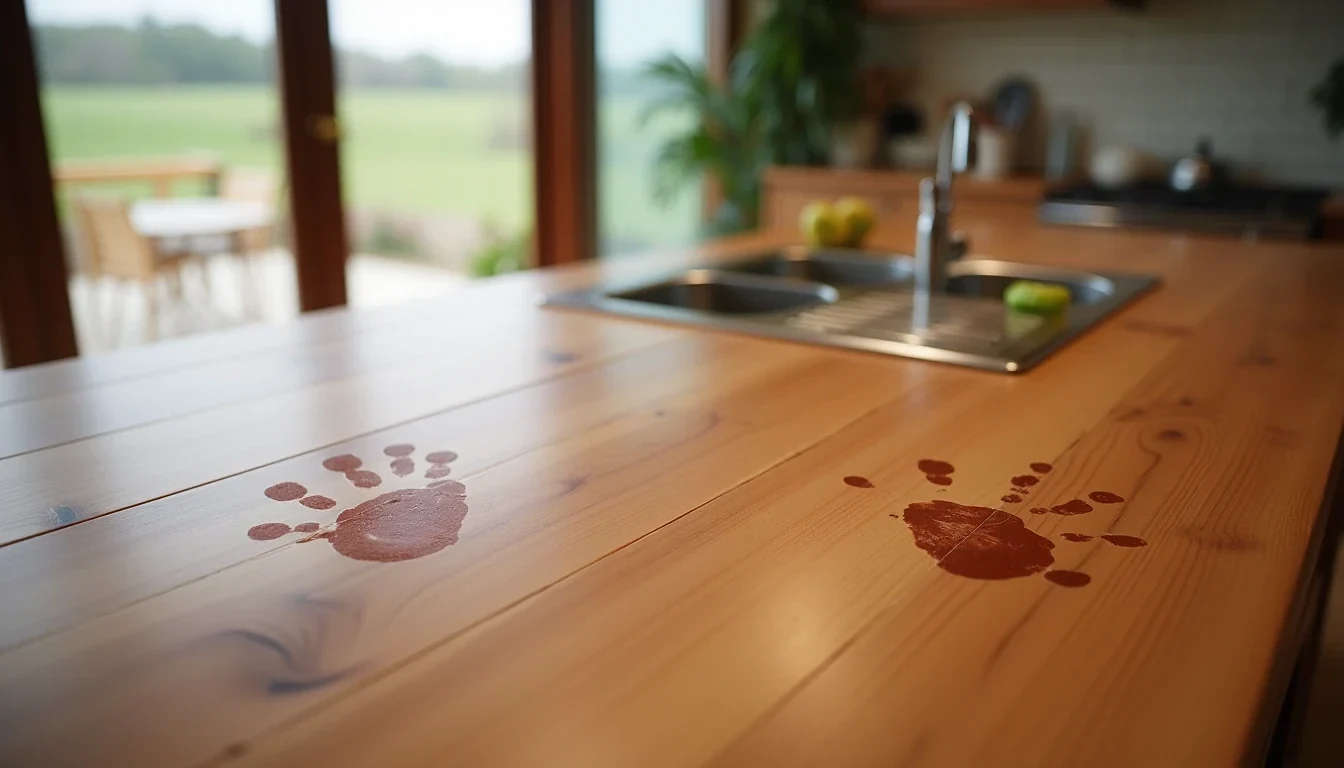
Farm style survives because it understands that a kitchen needs a centre, not a costume. A warm timber island, storage below, and open shelving for daily bits gives the room a lived-in feel without turning it into a display set. The black tile splashback and silver handles pull the scheme together, but the timber does the real work.
The failure point is obvious on cheap versions. Veneered boards near sinks get tired fast. A proper hardwood island in Kiaat, Saligna, or Oak can be refinished later. This is the difference between a kitchen that ages and a kitchen that gives up. For painted or exposed timber, a tough sealing system is more important than the colour.
Where it works: family kitchens that need a centre island, a place to dump groceries, and visible storage that does not feel fussy. Where it fails: tight galley layouts, badly lit rooms, and humid corners with poor extraction.
Specify solid wood for exposed elements, quality MFC or moisture-resistant board for carcasses, and a finish that can take regular wiping. If the island is the star, bespoke kitchen joinery keeps the whole composition from looking improvised.
Industrial elegance works when the hardware is not pretending
Industrial kitchens look easy because the palette is blunt. Grey cabinetry, black handles, a farm sink, cable lighting, maybe exposed brick and a little timber stop the room feeling like a workshop. This style exposes bad workmanship faster than most others.
Grey fronts show edge chipping, poor alignment, and cheap hinges in a way cream doors can hide for months. Black handles help the look, but they also show oily fingerprints and weak fixing points if the installer has used the wrong screws or pre-drilled sloppily. A visible style needs visible precision.
Where it works: open-plan rooms, older houses with brick or steel detail, and owners who want a kitchen that can carry some grit. Where it fails: overdesigned new builds where the “industrial” look has been forced on a room with no texture or structural honesty.
Use a proper sink base with moisture protection, good soft-close runners, and a finish that can handle knocks. This style punishes shortcuts. The room will tell on you.
Black kitchens are unforgiving and that is exactly the point
Black cabinetry looks expensive because it refuses to behave like a safe choice. It eats light, sharpens brass fittings, and makes grey-vein marble worktops look more deliberate. It also exposes dust, alignment errors, and every cheap decision in the room.
The best version uses black fronts as a grounded base, then lets the sink or tap disappear into the scheme. Black taps work because they stay in the language of the room. A shiny chrome tap against a black run often looks like an afterthought.
Where it works: generous kitchens with good daylight, strong downlighting, or a north-facing room that does not spend the day in shadow. Where it fails: narrow kitchens, poorly lit apartment refurbishments, and any space where the owner hates cleaning fingerprints.
For longevity, the finish is as important as the colour. Matte blacks can look elegant, but they must be specified with a surface that resists marking and a substrate that does not telegraph movement. Pair them with a worktop stone that can take staining and heat, because a dramatic kitchen is still a working room. For clients who want a cleaner line and a custom build rather than a catalogue box, Woodgrain is the kind of specialist worth putting on the shortlist.
Loft living needs steel under control
Loft living is the style people choose when they want a kitchen to feel slightly architectural. Green subway tile, Sahara oak panels, black steel, ribbed glass cabinets, and a movable steel island can create that effect without making the room feel cold. Add minimalist shelving and a few plants and the whole thing relaxes.
The movable island is clever, but only if the floor is flat and the client understands how they cook. On a bad floor, a rolling island becomes a nuisance. In a busy kitchen, it can become a hazard. The ribbed glass is also a gamble. It hides clutter better than clear glass, but it shows greasy mist and needs regular cleaning.
Where it works: long narrow rooms, converted spaces, and homes where the kitchen also carries a bit of living area energy. Where it fails: cramped rooms with no clearance, or projects where the steel detailing is overdone and the timber has been skimped.
Use powder-coated steel, not decorative metal that rusts or scratches on contact. Check wheel quality, lockable castors, and the clear opening space around the island before anyone signs off the design. In a loft-style room, the fittings should feel engineered, not borrowed.
Cosy modern works because it behaves like a plan
Cosy modern is the most sensible of the five, which is why it lasts. White cabinetry, soft grey neutrals, push latches, colour-matched appliances, and touches of timber give the room a calm, open feel. There is less theatre here, but there is also less to break.
Push latches look clean, yet they are only good when the hardware is properly specified and the doors are installed accurately. The minute the hinges drift or the door fronts are not level, the whole seamless effect goes crooked. Hidden details need better workmanship than visible handles do.
Where it works: smaller homes, light-starved kitchens, and anyone who wants a room that feels larger without adding actual square metres. Where it fails: houses with heavy cooking traffic, households that lean on lots of hanging storage, and owners who want a kitchen with more visual grit.
A sensible cosy-modern build uses moisture-resistant carcasses, reliable soft-close hardware, and a finish that does not stain at the first tea spill. The room should feel quiet, not precious.
The five choices all fail the same way
The style is never the first thing to break. The cheap board, the poor hinge, the unsealed edge, the wrong lighting plan, the useless drawer insert are what break first.
A kitchen renovation should be treated as a chain of decisions, not a style vote. Budget for the unknowns. Leave breathing room in the figure, because the job always finds a surprise. Price the cabinetry, plumbing, tiling, appliances, and the hardware together, not as separate wish lists. Visit showrooms. Pull apart portfolios. Ask for quotes before you commit to one look.
Layout comes before decoration. The stove, sink, and fridge need to work as a triangle that suits the way the kitchen is actually used. A beautiful room that forces extra steps every morning is a design mistake, no matter how polished the finish looks in photos.
What to specify before anyone starts cutting board
Do specify non-slip drawer lining, proper drawer inserts, and a choice between handles and push latches before the carcasses are ordered. Do check the board type for wet zones. Do ask what hinges and runners are going in, because a pretty door on weak hardware is a short-term lie.
Do not let the design drift into tunnel vision. A good designer may push back on the original idea because the room needs something else. Do not rush the job. Kitchen furniture and finishes need time, and bad timing shows up in the joinery first.
If you want a kitchen that keeps its shape, ask for the build schedule, the substrate specification, the edge treatment, the hardware list, and the finish system before anyone starts talking about style names. The room will look better and survive longer.