
The smoothest patio tile in the showroom can turn into a skating rink the first time the Cape weather gets serious. A sticker that says “non-slip” does not stop that. Water, slope, footwear, and the way the surface sheds grime decide whether a floor stays usable or turns into a lawsuit with grout lines.
Bathrooms, entrances, pool edges, exterior steps, and open patios need a floor that keeps its grip when it is wet, dirty, and under real shoes or bare feet. Colour comes second. Texture, drainage, and maintenance come first.
Start with the setting, not the tile name
A tile that behaves well in a dry showroom can fail in a wet threshold or on a shaded patio that never quite dries. The question is not whether the tile looks sturdy. What happens when water lands on it, stays on it, and gets walked across by someone in trainers, school sandals, or bare feet?
A polished porcelain tile can be perfectly acceptable on a lounge floor but a bad decision on an exterior step. The same finish that reads as elegant under downlights often becomes a dangerous film once rain, soap, or pool water gets involved. A bathroom floor has the same problem in smaller doses. Steam, shampoo, detergent residue, and wet soles all change the surface in use.
The old showroom trick is to trust the label. People end up buying a tile because the box says “non-slip” and only discover the problem after the first wet weekend.
Test the sample the way it will be used
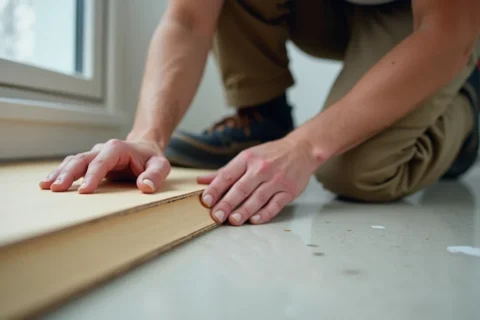
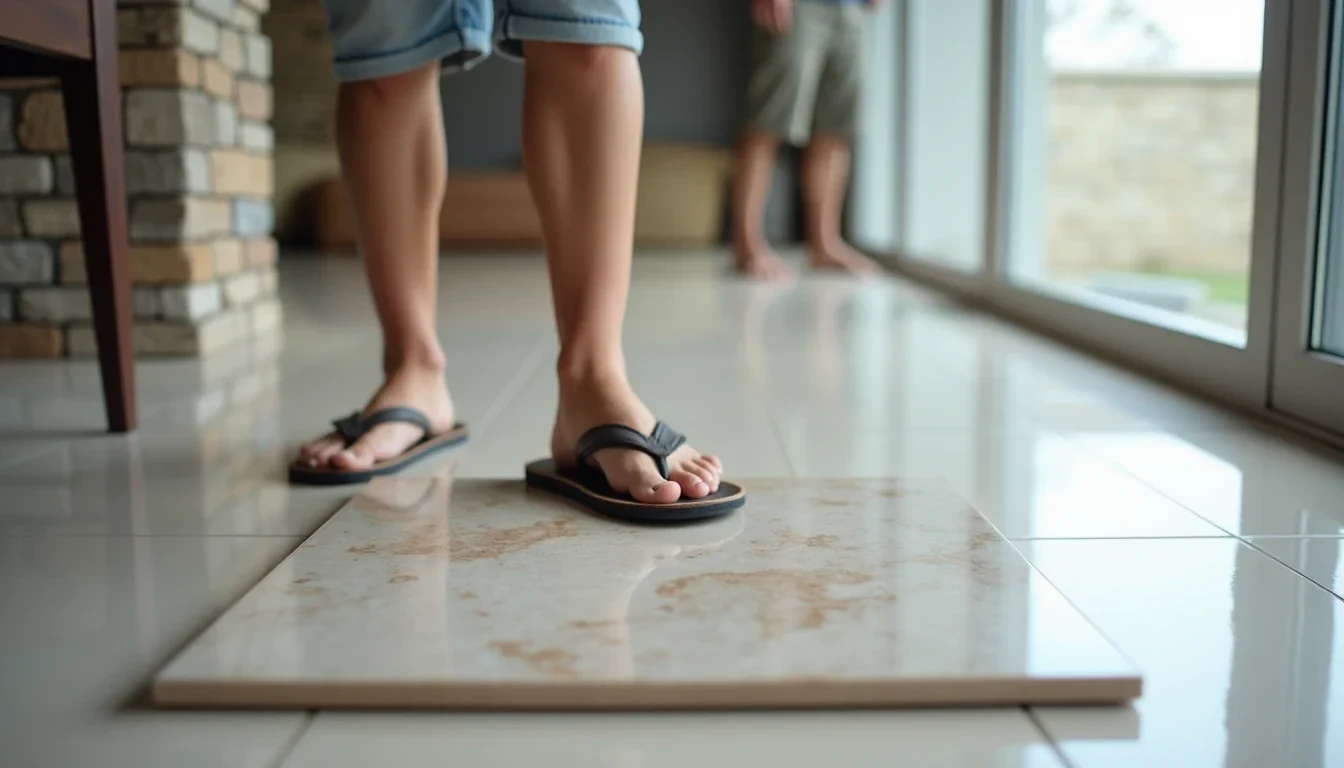
Do not judge a tile from a corner sample held in one hand. Ask for a full piece if you can, then test it on a hard, level surface before you sign off the order.
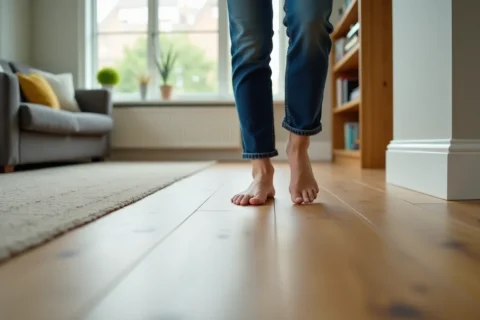
Wet it thoroughly and step on it barefoot. Then repeat with the footwear that will actually hit the floor, whether that is flip-flops for a patio, sneakers for an entrance, or shoes with a harder sole. You are looking for movement underfoot, a slick film, or that split-second hesitation where your body notices the floor before your brain does.
If the tile is going onto steps or a ramp, prop the sample to the same angle and test it again while wet. A surface that feels fine flat on the ground can become unforgiving the moment gravity gets a say.
Watch what the water does too. If it forms a sheet and sits there, the tile wants trouble. If it breaks up and drains away, that is a better sign. Compare it with a surface you already trust in a wet area. That reference point is more useful than any glossy brochure.
Texture helps until cleaning starts
More grip usually means more surface structure, and more structure usually means more dirt somewhere to hide.
A lightly textured porcelain tile is often a good compromise for entrances and covered outdoor areas. It gives enough bite to feel stable without becoming a maintenance project. Push the texture harder and the tile can work beautifully underfoot, but the cleaning gets uglier. Ridges and pits trap soil, soap scum, grease, and the fine dust that blows in during a windy week. On a humid, shaded side of the house, that buildup becomes a film. Once that happens, the tile loses the very grip you paid for.
People get caught out here. They choose the roughest possible finish because they are scared of slipping, then spend the next year scrubbing grout lines and textured recesses with a stiff brush. A floor that is impossible to keep clean will not stay safe for long. Dirt fills the profile, the surface smooths out in the wrong places, and the promise of grip starts disappearing.
For bathrooms and pool surrounds, choose a texture you can actually maintain. For a family home, that usually beats a dramatic surface that looks heroic in the display rack and miserable in week three.
Polished tiles have the wrong job outdoors
Polished tiles are made to reflect light, not manage water. Outdoors, that is the wrong brief.
A slick surface gives water nowhere to go, so a thin film builds between the foot and the tile. Once that happens, you are no longer walking on a floor with texture. You are walking on a wet plane. Polished marble, high-gloss ceramic, and polished porcelain have no business around patios, pool decks, or wet steps.
The same caution applies in bathrooms. A polished floor may be tolerable in a dry dressing space. It is a poor choice where a shower splash, wet towel, or cleaning water can sit on the surface. Around a pool, the problem gets worse because people arrive barefoot, moving quickly, often with water already on their feet.
If you want a more forgiving surface, look for finishes that are made to live in wet conditions rather than decorate a dry room. Unglazed porcelain, structured porcelain, and some natural stones with a cleft or honed finish usually perform better than mirror-smooth surfaces. The finish has to work with water, not just survive near it.
Read the rating, then ask what it was tested for
A “non-slip” label is not a verdict. It is shorthand, and shorthand gets people hurt.
Ask for the technical data sheet and look for the actual slip rating, not just the marketing line. Some products carry R-ratings for use with shoes, tested on inclined surfaces under controlled conditions. Others are graded for barefoot wet use, which is the relevant measure for showers and pool edges. Pendulum test values are also used locally and are useful when you need a more direct measure of how the surface behaves when it is wet.
The important point is fit. A tile that is acceptable in a dry corridor may be completely wrong for an outdoor patio that gets drenched in a Cape storm. A product with a respectable rating for shod areas may still feel unsafe in a shower or around a pool because the test method and the real use case are not the same.
If a supplier cannot give you the data sheet, treat that as a warning. If the only answer is “it is non-slip”, treat that as sales talk until the numbers prove otherwise.
Ask the supplier the questions that save you later
Before you place the order, ask for the tile sample, the technical data sheet, and the cleaning guidance. Then ask three plain questions.
What rating does it carry for wet use? How does the finish behave when it is dirty? What cleaner should be used so the surface does not get coated with residue?
That last one gets ignored too often. The wrong detergent can leave a slick film that cancels out the texture you paid for. Soap build-up, hard-water residue, and poor rinsing all turn a capable surface into a weaker one. In a bathroom this shows up as dull streaks and a floor that feels greasy. Outside, it becomes dirt packed into the profile.
If you are choosing between suppliers such as Italtile, Tile Africa, Stiles, CTM, Tiletoria, Builders Warehouse, or Cashbuild, compare the actual performance details, not just the appearance on the shelf. The cheapest tile is expensive if it has to be ripped out after the first wet season.
What to specify before you buy
Use this as the order list.
Ask for the full-size sample. Test it wet, barefoot, and in the footwear it will actually see. Check it on a slope if it will be used on steps or ramps. Get the technical data sheet, not just the product name. Confirm the slip rating for the intended use. Avoid polished finishes for exterior and wet-area use. Balance texture against cleanability. Specify a finish that can shed water and still be maintained without heroics. Confirm the cleaning product before installation starts.
The right tile is the one that still behaves when the weather turns, the floor gets dirty, and somebody walks across it without thinking. That is the test that matters.