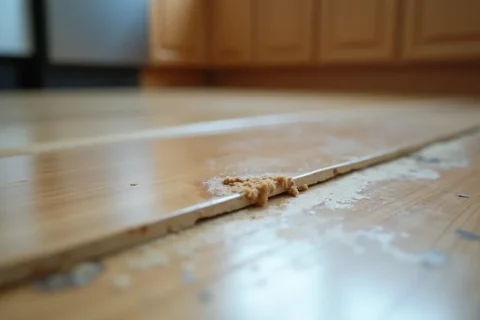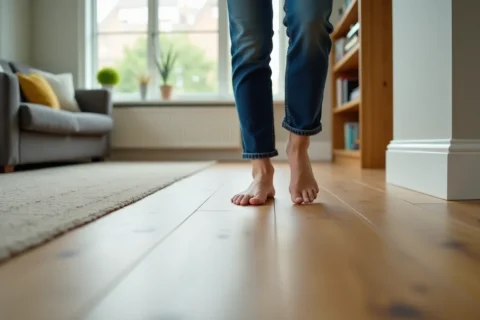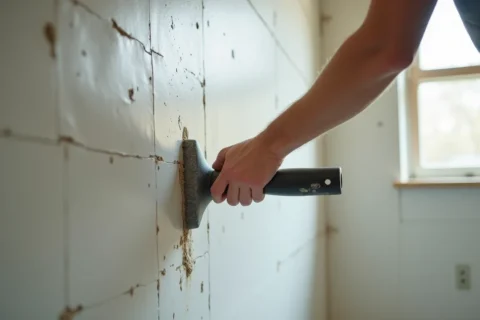

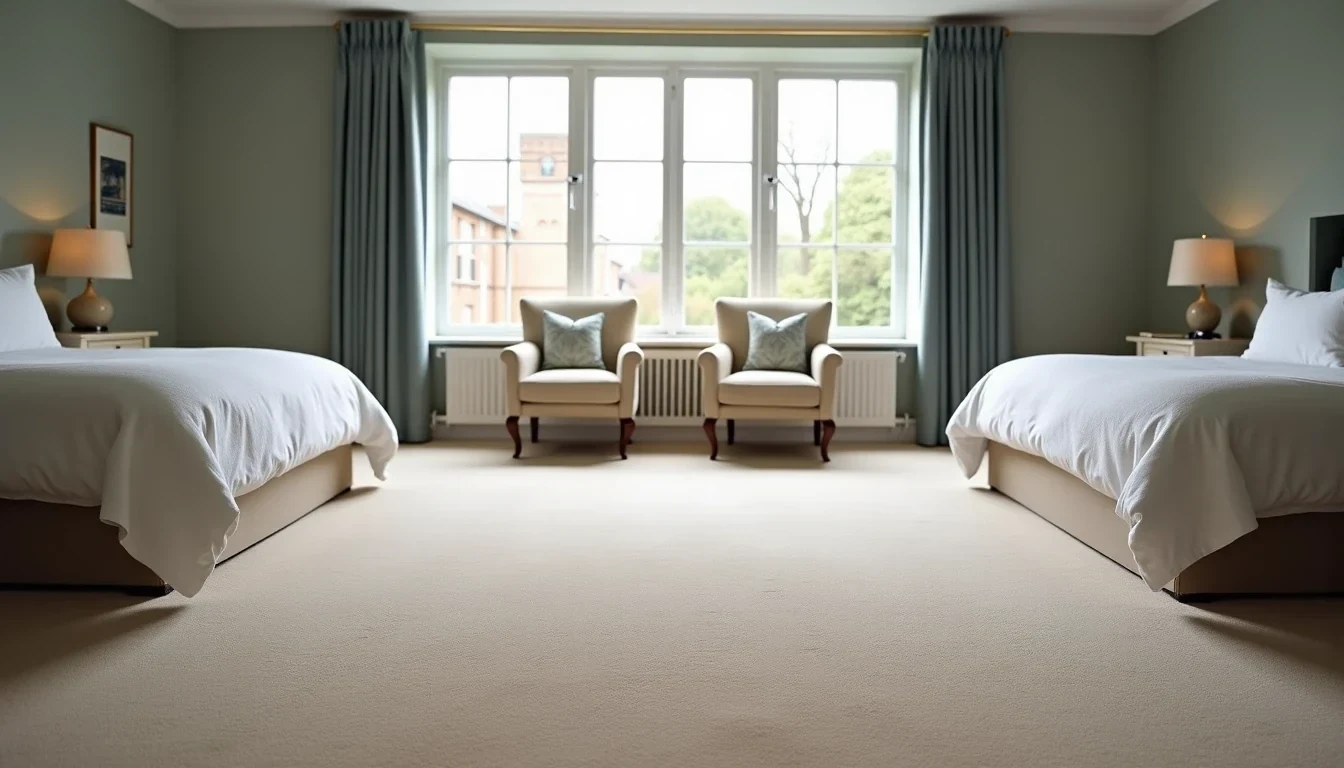
A carpet can look expensive and still feel cheap the moment you walk on it. The usual culprit is not the face yarn, the colour, or the brand on the sample board. It is the underlay that sits between the carpet and the slab, doing the boring work that decides whether the room feels quiet, cushioned, and stable or thin, echoey, and tired.
Put the same carpet into two rooms and change only the underlay. One room gets a dense, resilient layer. The other gets the cheapest foam the merchant will sell you by the roll. After a few months the difference is obvious underfoot, in the noise, and in how long the carpet keeps its shape. Buying premium carpet over bargain underlay is like buying a good mattress and then resting it on a wobbly base.
Two rooms, one carpet, two very different results
Take a plain, mid-range cut pile carpet laid in two nearly identical bedrooms. In Room A, the installer uses a firm, high-density underlay. In Room B, the underlay is thin, soft, and low grade. The carpet itself is the same in both rooms, but the experience is not.
Room A feels planted. Footsteps sound dull instead of hollow. The pile springs back after a chair has sat in one spot for a while. When you cross the room barefoot, the surface has give, but not wobble. Room B behaves like a shortcut. It feels pleasant for the first week, then the foam starts losing shape. The carpet surface begins to look busier, because the pile is taking the punishment the underlay should have absorbed.
This difference is not cosmetic. A decent underlay protects the backing, spreads load from furniture and foot traffic, and slows the flattening that makes a carpet look old before its time. A cheap one gives you a soft opening and a hard finish.
Comfort is built from rebound
A carpet’s comfort is not only about pile height or fibre type. It is also about how the layer beneath it returns energy after you step on it. Dense crumb rubber, quality felt, and high-density PU foam hold their structure. They compress, then recover. Low-density foam collapses sooner and stays there longer.
A thick but flimsy underlay often feels worse than a thinner but firmer one. The soft option may seem luxurious in the showroom, but at home it can feel unstable, especially in hallways and living rooms where people walk the same lines every day. Once the underlay stops rebounding, the carpet starts doing all the work on its own, and carpet is not designed to be a shock absorber by itself.
If the goal is a room that feels calm underfoot, look for density, not just thickness. A 10 mm high-density crumb rubber underlay will usually feel firmer and more controlled than a 7 mm low-density polyurethane foam product, and it will keep that feel for longer.
Quiet rooms need dense underlay
Noise control is one of the easiest benefits to hear and one of the easiest to underpay for. A quality underlay reduces the sharpness of footfall noise and softens the bounce that makes bare rooms sound empty. In multi-storey homes, apartments, and open-plan interiors, this matters more than most buyers expect.
Dense underlays can cut impact noise by roughly 25 to 30 dB in a floor assembly, depending on the full build-up. They also help tame echo and reverberation in a room, which is why a carpeted lounge with proper underlay sounds more settled than the same room with weak foam underneath. The improvement is not magic. It is mass, density, and resilience doing their job.
Cheap underlay does the opposite. It compresses unevenly, so the carpet transmits more foot noise into the subfloor and lets more room noise bounce back into the space. If you have ever walked into a carpeted room that somehow still sounds hard, the underlay is usually the reason.
Insulation is part of the bill
On a cold Highveld morning, a floor can steal comfort faster than a wall. Underlay helps slow that heat loss. Quality products add meaningful thermal resistance to the floor build-up, with good options contributing around R-value 0.7 to 1.5 depending on material and thickness.
This is not a minor gain. It reduces the chill coming through a slab in winter and helps stabilise indoor temperatures in summer. In practice, that can translate into lower heating and cooling demand over time. Cheap underlay gives up that benefit because there is little structure to trap air and resist heat flow.
Saving a few rand per square metre on the underlay can cost you more in comfort, energy, and replacement than you save on the invoice.
Wheelchairs expose bad choices quickly
Accessibility is where sloppy underlay stops being a comfort issue and becomes a design failure. On accessible routes, carpets need to stay firm, level, and securely fixed. The surface must not behave like a soft mattress under a wheel. SANS 10400-T calls for floor finishes on accessible routes to be firm, stable, and slip resistant. SANS 10090 also pushes the same direction for walkways and ramps.
Thick, spongy underlay makes a carpet harder to wheel across. The chair sinks slightly, rolling resistance climbs, and the user works harder to move. If the carpet edge is loose, if the transition to another finish is bulky, or if the surface stretches and buckles, you have created a trip and access problem instead of a finished floor.
Pile height also matters. For accessible routes, carpets are generally expected to stay within tightly controlled pile heights, with 13 mm as the ceiling in the relevant guidance and lower piles often preferred in practice. A soft underlay can make a normal carpet behave like a deeper one because it compresses under load. This makes movement less predictable and increases the chance of snagging, wobble, or rucking.
A firm, dense underlay around 5 mm to 8 mm is the safer choice where wheel movement and surface stability matter.
Cheap underlay shortens the replacement cycle
The usual defence of bargain underlay is that the carpet is the expensive item, so the savings must be harmless. That logic fails on site. A better underlay can stretch a carpet’s working life from roughly 7 to 10 years into the 12 to 15 year range. A weak one can pull that back to 3 to 5 years by allowing premature matting, pile crush, and backing wear.
Then the real cost lands. Uplifting, disposing of, and reinstalling carpet and underlay can run around R50 to R80 per square metre before you even talk about the new materials. Do that once too soon and you have paid twice for labour, twice for waste removal, and twice for disruption. The cheap underlay did not save money. It moved the bill into the future and made it larger.
The price gap itself is also easy to see. A basic 5 mm low-density foam underlay has sat around R25 to R40 per square metre, while a quality 10 mm high-density rubber or felt product often lands in the R80 to R150 per square metre band. On a small room, the temptation to cut corners is obvious. On the full life of the carpet, it is a mistake.
What to specify before you place the order
The right underlay depends on the room, but the spec sheet should not be vague.
Ask for density and material
Choose high-density crumb rubber, felt, or a proper high-density PU foam. For residential use, density in the 90 to 120 kg/m³ range is a better target for PU foam. Crumb rubber around 100 to 150 kg/m³ gives firmer support and better recovery.
Match thickness to the room
For general living spaces, 9 mm to 11 mm is a sensible band if the product is dense enough to hold shape. For accessible routes, hallways, and any space where wheelchairs or trolleys will run, go thinner and firmer.
Check insulation and moisture behaviour
On concrete slabs, especially ground floors and humid sites, ask whether the product has a moisture barrier or needs one added separately. In colder inland areas, thermal performance matters more than people assume.
Insist on stability at the edges
The best underlay in the world will not rescue a bad installation. Ask how the carpet will be stretched, fixed, and joined. Loose edges, bulky transitions, and uneven joints will undo the benefit of a good underlay fast.
Match the underlay to the carpet, not the budget
A quality carpet over junk underlay is a wasted purchase. The reverse is also true. The underlay is not an optional extra. It is the part that tells the carpet whether it is a long-term floor finish or a temporary disguise.
What to specify on the order
- Product name and density
- Thickness in mm
- Material type, such as crumb rubber, felt, or high-density PU foam
- Whether it is suitable for concrete slabs
- Moisture barrier requirement
- Accessibility requirement for routes with wheelchairs
- Expected pile height of the finished carpet
- Installation method and edge detailing
- Warranty terms for both carpet and underlay
- Labour allowance for uplift, disposal, and reinstallation
A carpet does not earn its keep from the top layer alone. The underlay decides how it sounds, how it feels, how it wears, and how long you can live with it before it starts looking tired. Spend the money on the visible carpet and starve the layer below it, and you have bought a nice surface with a weak foundation.