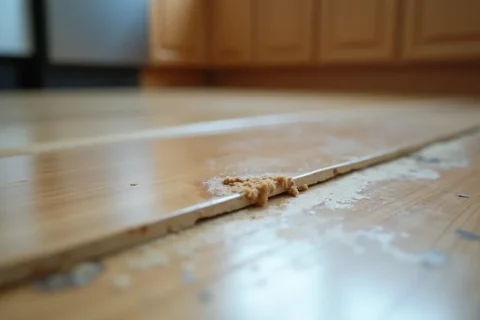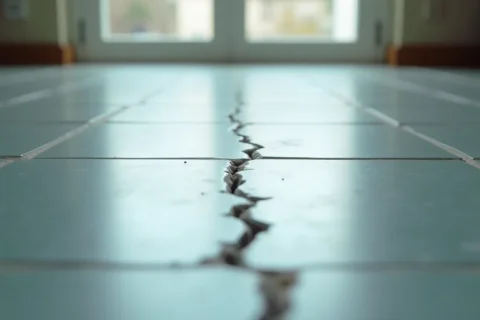

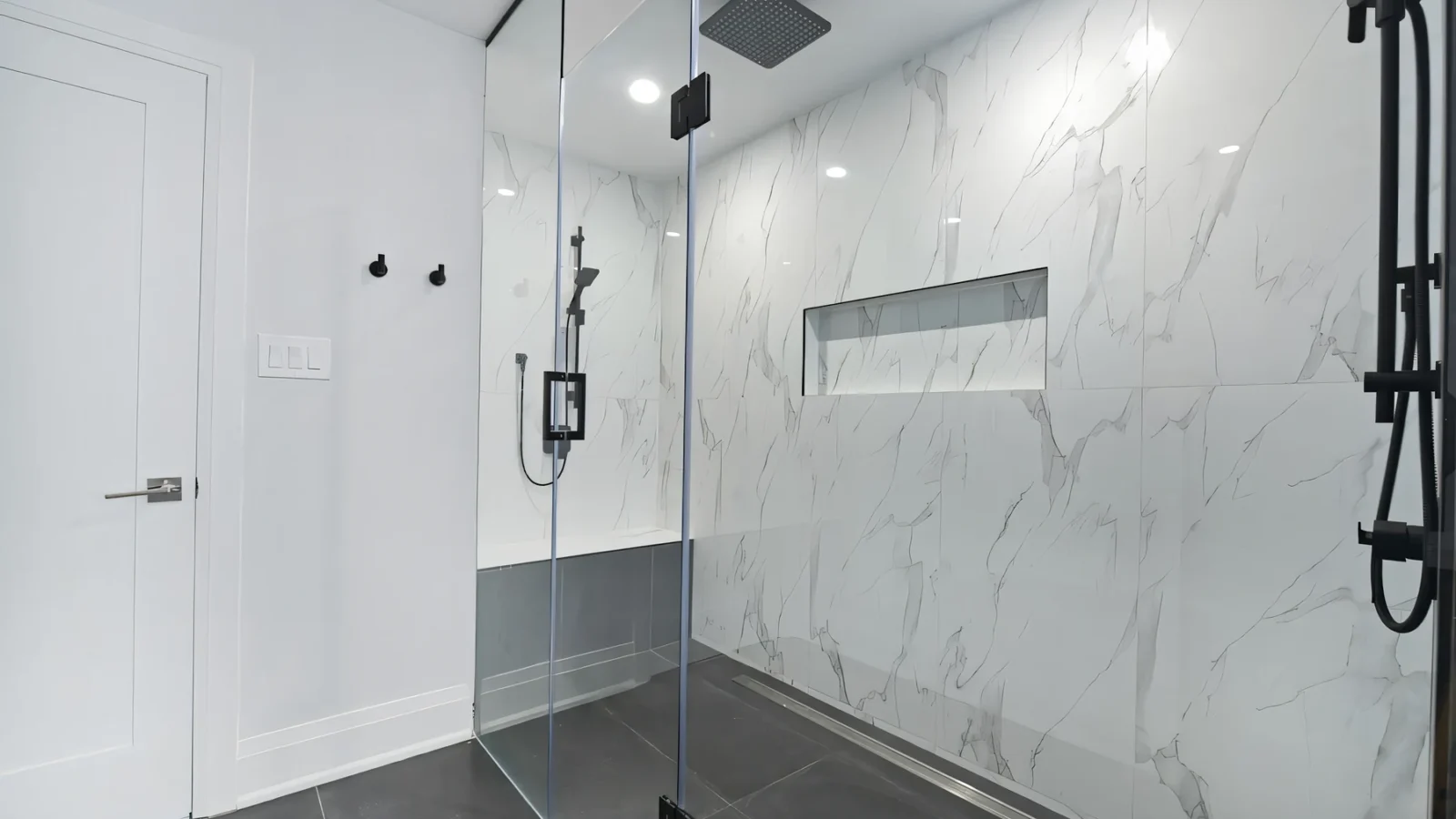
A shower that keeps leaking after a regrout job needs a waterproofing repair, not prettier joints. Grout sits in the gap between tiles, holds the finish together, and keeps the tile layout tidy. It does not stop a wet wall from wetting the wall behind it.
Fresh grout can make a bathroom look cared for. It can hide staining for a while, and it can close visible cracks at the surface. Cement-based grout is a porous material, and movement in the substrate will open it up again. If the membrane underneath has failed, the leak carries on while the bathroom gets a cosmetic facelift.
What grout is there to do
Grout is a joint filler. It locks tile edges together, keeps debris out of the joints, and gives the installation a finished look. It also helps spread minor loads across the tiled field.
It does not create a waterproof shell. Standard cementitious grout can take up moisture, stain easily, and crack when the base shifts. A shower wall moves more than most people think. Screed dries out, timber framing flexes, plaster hairlines, and a tiled surface follows that movement. The grout line is usually the first place that tension shows.
Even epoxy grout, which performs far better against staining and chemical wear, is still a joint material. It is useful in harsh service areas, but it does not turn the tile layer into a watertight tank. The waterproofing belongs underneath the tile build-up, where the water load starts.
Where the waterproofing actually lives
A tiled wet area depends on layers working in the right order. Substrate first, then the waterproofing membrane, then tile adhesive. Tiles and grout sit on top as the visible finish.
The membrane should stop water from reaching the structure. In a shower, it needs to be continuous and correctly detailed at corners, pipe penetrations, and the shower hob. Products such as Sika Sikalastic-152, Mapei Mapelastic AquaDefense, or abe Super Laykold are built for that role. Grout is not.
SABS 0252-1:2004 treats wet areas as places where waterproofing belongs beneath the tile bed. Most dodgy repairs ignore this rule. A bag of grout cannot rescue a failed membrane, a saturated screed, or a wall that has already been soaking up moisture for months.
If the only problem is a stained joint and the tiles are still solid, regrouting may improve the look. Once moisture has moved beyond the face of the tile, the work has shifted from finishing to repair.
The signs the problem is deeper
A grout stain alone is annoying. A pattern of building movement is a warning.
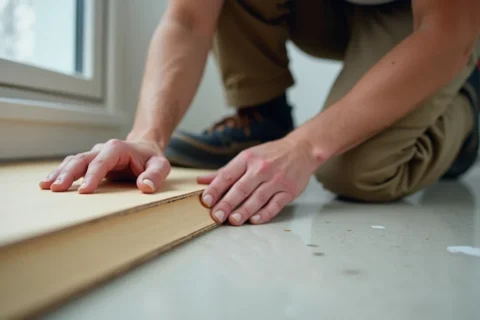
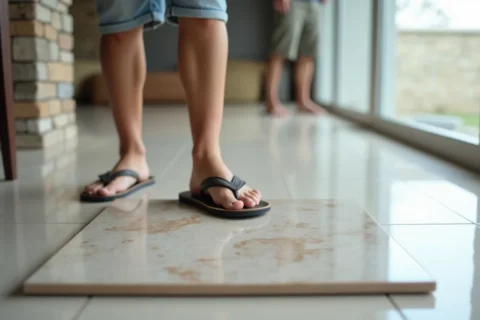
Loose or hollow-sounding tiles mean the adhesive bond is breaking down. If you tap a tile and it sounds empty, especially in a shower recess, moisture has likely been attacking the bed below it. That is no longer a grout issue.
Swollen skirtings are another blunt clue. MDF and timber absorb moisture; they do not puff up for fun. When skirtings along a bathroom wall bow, split, or discolor, water has moved out of the tiled zone and into the surrounding finishes.
Damp patches on the opposite side of a wall are even clearer. If the shower sits on one side and the bedroom or passage wall shows bubbling paint or a darkened patch on the other, the water is travelling through the structure. A leak that announces itself on a different face of the wall has already outgrown the grout line.
Recurring mould is part of the same story. Surface mould on grout can be cleaned. Mould that comes back quickly, especially at the base of walls and in corners, usually has a moisture source behind the tiles. The room may be clean, but the cavity is not.
Musty smells matter too. Bathrooms with hidden damp often smell wrong long before the damage becomes visible. That smell means the building’s drying cycle is broken.
Why regrouting keeps failing
Regrouting only changes the top skin of the problem. The wet substrate remains wet. The failed membrane remains failed. The adhesive bed, if it has already lost bond, remains weakened.
This is why the same shower can be regrouted twice and still leak. The new grout may seal the joints better for a while, but water does not respect cosmetic work. It finds the same path through corners, junctions, cracks, and movement points. The repair looks neat from eye level and useless from inside the wall.
It is a cosmetic fix for a structural fault. The room gets a cleaner face while the leak keeps chewing through the layers underneath.
What a real repair looks like
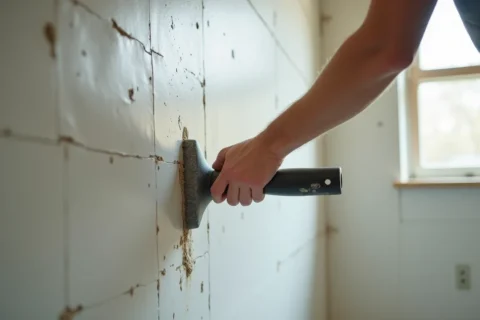
A proper remedy starts with a strip-out and inspection, not a bag of grout and a hopeful attitude. Loose tiles come off. The substrate gets checked for soundness and dryness. Any saturated screed, damaged plaster, or rotten timber needs to be dealt with before the tiles go back.
If the membrane is compromised, it has to be replaced or rebuilt correctly. Corners need reinforcement. Penetrations need detailing. Junctions between wall and floor need special attention. In a shower, that usually means the whole wet zone, not just the patch that looked worst from the doorway.
Only after that does the tile layer go back in, then the grout, then a flexible sealant at movement joints where grout is the wrong material altogether. The order matters because water moves by gravity, capillary action, and habit. The repair must interrupt all three.
What to specify before anyone starts again
If you are a homeowner, builder, or finishing contractor, do not let the conversation stop at grout colour.
- Ask whether the waterproofing membrane has failed, not just whether the joints are dirty.
- Check for loose tiles, hollow patches, swollen skirtings, and damp on adjacent walls before any surface repair begins.
- Specify a membrane system for wet areas, with proper treatment to corners, hobs, and pipe penetrations.
- Use grout as a joint finish, not as a repair for water ingress.
- Use flexible sealant at movement joints where rigid grout will crack.
- Replace any damaged substrate, adhesive bed, or timber trim before retiling.
- Make sure the installer understands that a shower leak is a layer failure, not a stain on the face of the tile.
A leaking shower that gets regrouted without opening up the build-up is being patched for appearances. The leak is still there, the damage is still active, and the bathroom will keep reminding you in mould, swelling, and damp patches exactly where the real failure sits.